
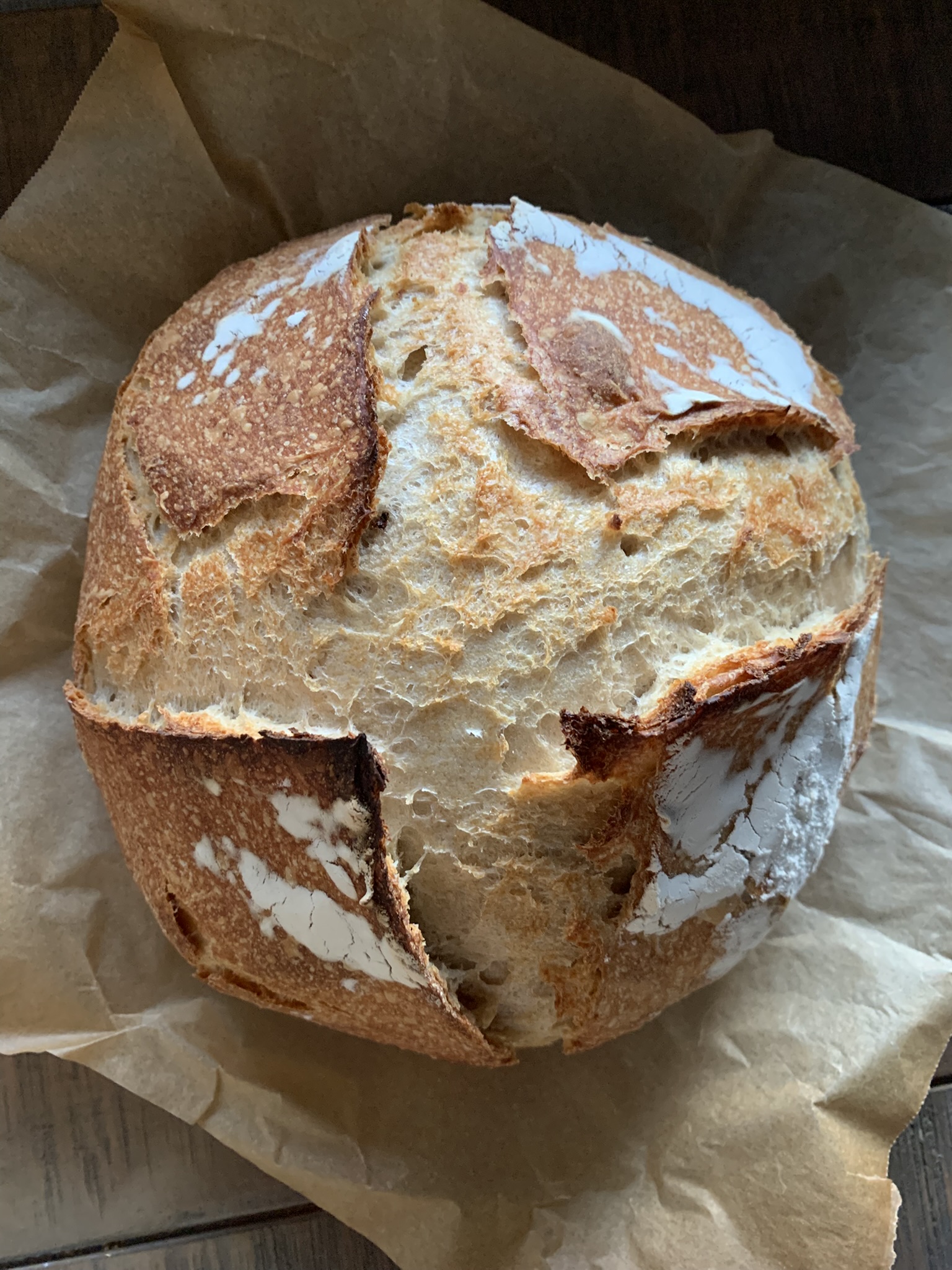
Bread Deep Dive Introduction
Hello, Root and Research readers! Over the past several years, I’ve researched different ways to bake bread, along with the potential health benefits and drawbacks of each approach. Some findings may not surprise you, like the fact that shelf-stable bread often contains preservatives, but others might! This guide compares sourdough, fresh milled flour, yeast bread, soda bread, and store-bought 100% whole wheat so you can build a bread strategy that supports your health goals and fits your schedule.
In short:
- Sourdough is the best option for gut health if you have time at home.
- Fresh milled flour offers peak flavor and nutrients but demands the most effort.
- Yeast bread is a flexible middle ground for spontaneous baking.
- Soda bread and quick bakes are the fastest from-scratch option.
- Store-bought 100% whole wheat is the easiest choice, but watch for additives.
Bread Type Comparison at a Glance
| Bread Type | Effort/Time | Best For | Key Health Benefit | Key Drawback |
|---|---|---|---|---|
| Sourdough | Moderate Effort; High Time (but you can multitask) | Gut health, tangy flavor | Easier digestion, possible gut-friendly prebiotics (see gut health study) | Requires being home all day |
| Fresh Milled Flour | High | Flavor chasers, nutrient max | Potential for maximal vitamins/ minerals from fresh wheat berries (see stone-ground) | Labor-intensive; needs sprouting/ storage |
| Yeast Bread | Moderate | Flexible whole grain baking | Whole grain nutrients without long fermentation | Less fermentation than sourdough |
| Soda Bread & Quick Bakes | Low-Moderate | Fast from-scratch baking | Easy flour substitutions to fit your dietary needs | Lacks classic “yeast” or fermented bread flavor |
| Store-Bought 100% Whole Wheat | Low | Busy weeks, no baking | Convenient whole grain fiber | Additives linked to gut/ metabolic issues (see additives study) |
Sourdough Bread

What Is Sourdough?
Sourdough is bread made with a naturally fermented starter instead of commercial yeast, which gives it its signature tangy flavor. When baked the traditional way, you will find it has a perfectly crunchy exterior and chewy crumb. This is amazing in sandwiches, served alongside soup, or simply sliced with a little butter!
How Sourdough Is Made
Sourdough is made by mixing flour and water with an active starter, then letting the dough rest, ferment, rise, and bake over the course of several hours. In a basic sense, the process usually includes a short autolyse, a longer bulk fermentation with stretch-and-folds, a final proof, and then baking, so it is certainly not a quick bread and usually takes most of a day or more from start to finish. It also produces sourdough discard, which you can save and use in other types of recipes to add a sourdough flavor.
Health Benefits: Gut Health and Digestion
One big benefit of choosing homemade sourdough over other bread options is that some sources suggest it may be best for gut health. From a health perspective, sourdough may be a helpful option for supporting gut health, easier digestion, and those with bloating/IBS symptoms. However, results can vary from person to person, so it’s always a good idea to consult your doctor if you have specific concerns. The long fermentation process helps break down harder-to-digest components of flour, which may make it gentler on the stomach. It also produces prebiotics that can support the growth of beneficial gut bacteria.
Timing and Practical Challenges
All that said, sourdough baking is more about timing than effort. It’s not especially hands-on, but it does require you to be available for steps like stretch and folds throughout the day. You’ll also need to preheat a Dutch oven or a cloche for 45 minutes to 1 hour, which can noticeably heat up your kitchen. This creates a cosy vibe in colder months, but is less ideal in the summer heat. Cleanup can also be a bit tedious, since sourdough residue shouldn’t be rinsed down the drain due to the risk of clogging.
Sourdough Discard and Personal Experience
When it comes to sourdough discard, I’ve experimented with several recipes to avoid wasting as little as possible. While everything had that signature tangy flavor, I’ve found I really only enjoy the sourdough flavor in traditional bread. In things like crackers or brownies, I personally prefer other recipes.
Bottom line: I’d bake sourdough more often if I had more consistent time at home. My plan is to maintain a starter in the fridge and bake every few weeks, rather than regularly using discard in other recipes. This process works especially well if you’re home frequently and can easily manage the timing of each step. It’s also ideal if you plan to bake bread often or enjoy the sourdough flavor across a variety of baked goods.
Sourdough Gut Health Studies
| What the Study Found | Who It Helps Most | Study Type | Source |
|---|---|---|---|
| Less bloating, gas, stomach discomfort vs. regular bread | Healthy people + IBS patients | Review of 12 studies | pmc.ncbi.nlm.nih |
| Boosts helpful gut bacteria & gut-healing compounds | Everyone (lab tests) | Gut simulator test | frontiersin |
| More gut-friendly acids & nutrients produced | General gut health | Lab fermentation | journals.asm |
| Cuts FODMAPs that cause IBS symptoms | People with IBS | Multiple trials | pmc.ncbi.nlm.nih |
Recipe Recommendations for Sourdough
There are plenty of great resources available on Google, Pinterest, etc. if you decide to go the sourdough route and want help learning the basics. Once you find a reliable base recipe, you can use it as a foundation for mix-ins like herbs, cheese, fruit, or even chocolate chips. I once even substituted beer for the water, which may or may not have resulted in a flat loaf (eek)! But, as they say, you can’t win them all!
Fresh Milled Flour

What Is Fresh Milled Flour?
Fresh milled flour is flour made by grinding wheat berries right before baking, so the flour is as fresh and minimally processed as possible. This bread type likely provides optimal health benefits when compared to other kinds. But… is it worth it?
My Fresh Milled Flour Journey
This has been a challenging yet rewarding journey. After nearly a year of researching fresh milled flour, buying whole wheat berries, experimenting with sprouting (recommended due to phytic acid in grains, which can limit nutrient absorption but is reduced through soaking), and baking my own bread, I’ve realized it’s not a sustainable routine for my current lifestyle. If I had more time and space, this would easily be a top hobby. It requires consistent effort, planning, and storage for things like wheat berries, sprouting, and drying. That said, the flavor is unbeatable. Personally, I think it’s even better than sourdough, though some people may find the “fresh” taste a bit strong.
Flexibility and Wheat Berry Types
Fresh milled flour gives you more room to experiment, but it is also more involved than simply swapping it in wherever you want. Different wheat berries work better for different baked goods, such as soft white wheat for everyday baked goods and hard white or hard winter red wheat for bread loaves. You can also use it in sourdough, something I have not tested yet, or blend it with store-bought flour to add a fresh-milled flavor without fully committing. If you’re curious but not ready to invest in a grain mill, a high-speed blender with a dry grains attachment can work. Since I already owned a Vitamix, I opted for this add-on: 48-ounce Dry Grains Container with SELF-DETECT – Blender Containers.
Health Benefits and Nutrient Claims
What initially drew me to fresh milled flour was the potential for higher vitamin and mineral content compared to processed, store-bought flour. There are many claims that it’s the optimal way to make bread because it retains more nutrients due to minimal processing. While that idea makes sense, most supporting information comes from sellers, bloggers, or influencers rather than peer-reviewed research.
Stone-Ground Wheat and Nutrient Data
The closest data I found relates to stone-ground whole wheat, which uses a similar process. It suggests higher levels of nutrients like thiamin (B1), riboflavin (B2), magnesium, iron, and vitamin E compared to refined flour. However, it’s important to note that some vitamins can degrade during baking due to high heat. Minerals are more stable, but when compared to store-bought whole wheat flour using USDA Data, the differences appear less significant.
In my opinion, if you’re already getting enough vitamins from other foods, maximizing vitamin retention in bread may not be necessary. Fresh milled flour can be worth exploring for its flavor and potential (but likely modest) nutritional benefits, though it’s probably not worth the effort unless you truly enjoy both the taste and the process.
Nutrient Losses After Baking
| Nutrient | Impact of Baking | Source |
|---|---|---|
| Thiamin (B₁) | Significant degradation (20–56% loss) | pubmed.ncbi.nlm.nih |
| Riboflavin (B₂) | Moderate degradation (10–30% loss) | pubmed.ncbi.nlm.nih |
| Vitamin E | Susceptible to oxidation at high heat | fis.tum |
| Magnesium | Generally stable | dummies |
| Iron | Generally stable | dummies |
Minerals: Fresh Milled vs Store-Bought Whole Wheat Flour
| Mineral | Hard Red Wheat Fresh Milled Flour (mg/100g) | Unenriched Whole Wheat Flour (mg/100g) |
|---|---|---|
| Phosphorus | 337.99 | 352 |
| Iron | 4.15 | 3.86 |
| Zinc | 3.59 | 3.24 |
Recipe Recommendations for Fresh Milled Flour
If you decide to experiment with homemade flour, this Fresh Milled Mama recipe was the one that finally worked for me after many failed attempts. I even ordered the Pullman loaf pans linked in her recipe so I could make traditional-shaped, sandwich-style loaves. For sprouting the wheat before milling, The Home Intent has instructions that worked very well for me, along with helpful images that make it easier to see what the berries should look like once they’ve sprouted. That was also where I first learned about the potential phytic acid in whole wheat berries and why it may be helpful to address it before milling and baking.
Traditional Yeast Breads

What Is Yeast Bread?
Yeast bread is bread made with commercial yeast, which gives the dough a reliable rise and a more familiar bread texture. This is the more traditional style of baking bread that you are likely more used to.
Flexibility and Spontaneity
Yeast breads are a great middle ground when it comes to flexibility. Compared to sourdough or fresh milled flour, they’re much more spontaneous. You can decide to bake the same day and still have fresh bread ready by the end of it, without much advance planning. This makes yeast bread ideal if you enjoy baking and can dedicate a few hours (or even a full day) occasionally, rather than committing to a regular routine. To get started, it helps to keep a few basics on hand: yeast, a gluten-containing flour, salt, oil, and a small amount of sweetener like honey, maple syrup, or sugar.
Whole Wheat Upgrade
If you find yourself making yeast bread more often, you might consider using whole wheat flour for at least part of the recipe to increase the nutrient content. I specifically recommend flour made from hard, white wheat berries, which has a milder flavor compared to traditional whole wheat made from red wheat berries. If the taste or texture still feels too dense or slightly bitter, a simple option is to use a 50/50 blend of all-purpose and whole wheat flour.
Recipe Recommendations for Yeast Breads
The possibilities here are nearly endless. You can make sandwich loaves, cinnamon rolls, flatbread, crescent rolls, and so much more. I recommend using a stand mixer as opposed to kneading by hand, unless you’d like an excuse to build your arm muscles. If you want to try a few of my favorite recipes, start with these:
- Rosemary Sea Salt Sweet Potato Rolls – Homemade Home
- Banana Bread Cinnamon Rolls – My Life After Dairy
- Perfect Crescent Rolls – The Baker Upstairs
Soda Breads & Quick Bakes

What Is Soda Bread?
Soda bread and other baking-powder or baking-soda baked goods are quick breads that rise without yeast, making them fast and flexible for simple homemade baking. If you want from-scratch bread without the time commitment, soda bread is a great option. You can use wholesome ingredients of your choice and have fresh bread ready in under an hour.
Forgiving and Flexible
Soda bread is also very forgiving and easy to experiment with. Unlike yeast breads, you don’t have to worry as much about temperature or ingredients that can interfere with rising (like cinnamon or garlic). This makes it a great starting point for trying different flavor combinations and flour blends.
Flour Substitutions and Blood Sugar Theory
I’ve experimented with using alternative flours such as whole wheat, almond flour, and oats. Since soda bread doesn’t rely on yeast, you don’t need a high-gluten flour to get a good result. One idea I’ve tried is substituting about one-third of the flour with almond flour. My personal theory (not tested or proven) is that this may decrease gluten, reduce blood sugar spikes, and increase protein intake. Almond flour is lower in carbohydrates and higher in fat, protein, and fiber, which can slow digestion and lead to a more gradual rise in blood sugar. I think of this more as a moderation strategy for supporting overall health, rather than a strict low-glycemic alternative.
Recipe Recommendations for Soda Breads & Quick Bakes
While I will eventually share my own recipe for baking soda bread, for now I want to share the recipe that first inspired me to try it from the Fairyland Cottage YouTube channel. As a bonus, I also recommend exploring her other videos and content, which are especially comforting and inspiring. For a finishing touch, be sure to enjoy each slice with some Irish butter or jam from your local Farmer’s Market!
Store-Bought 100% Whole Wheat

What Is Store-Bought 100% Whole Wheat?
100% Whole Wheat bread can be bought from your usual grocery store aisles, in the bakery department, or possibly even in your local brick-and-mortar bakery. Buying bread from the store is easily the quickest and most convenient option. It’s ideal for busy schedules or if you’ve simply decided baking isn’t for you!
Trade-Offs: Flavor, Ingredients, and Additives
The trade-off is typically flavor and ingredient quality. Homemade bread often has a fresher taste, though choosing bread from a bakery or the store’s bakery section can help bridge that gap. Another consideration is the presence of preservatives and additives, which are commonly used to extend shelf life. It’s worth checking ingredient labels so you know exactly what you’re buying. Some peer-reviewed research has linked certain additives in processed foods to potential health concerns, including gut inflammation, metabolic issues, and even cancer concerns.
Gut inflammation refers to irritation or swelling in the digestive tract, which can impact digestion and overall gut function. Metabolic issues involve disruptions in how the body converts food into energy, which can affect blood sugar regulation, energy levels, and long-term organ health. While not all additives are inherently harmful, (and some, like emulsifiers and preservatives, are difficult to avoid) they’re still something to be mindful of.
If this is a concern, local bakeries can be a good alternative, as they may offer bread with fewer additives (still check the labels). Just keep in mind that these breads are often less shelf-stable. If you don’t plan to use it within a few days, storing it in the refrigerator can help extend its freshness!
Ingredients to Watch For
| Ingredient | What It Does in Bread | Why Some People Avoid It | How Common It Is in 100% Whole Wheat Store-Bought Bread | Linked Source |
|---|---|---|---|---|
| Calcium propionate | Keeps bread from molding | Linked to possible gut microbiome disruption and headaches or migraines | Very common in sliced bread made to last longer, so it can be hard to avoid | pmc.ncbi.nlm.nih pmc.ncbi.nlm.nih |
| Sodium stearoyl-2-lactylate (SSL) | Helps bread stay soft and hold texture | Linked to inflammation and possible gut issues | Common in commercial bread, including many whole wheat loaves | Healthline pmc.ncbi.nlm.nih |
| Mono- and diglycerides | Improve texture and keep bread uniform | Often grouped with emulsifiers that may affect gut health | Very common in store-bought bread | pmc.ncbi.nlm.nih |
| DATEM | Helps dough rise and improves loaf structure | Some research raises concerns about possible effects on the gut barrier | Fairly common in supermarket bread | pmc.ncbi.nlm.nih intechopen |
| Added sugars (honey, molasses, HFCS) | Add sweetness and improve taste/browning | Extra sugar can make bread less healthy overall | Sometimes avoidable, but many breads still include at least a little | pmc.ncbi.nlm.nih |
| Azodicarbonamide | Conditions dough | Safety concerns and highly processed additive | Less common now, but still possible in some breads | apjmt.mums |
| Potassium bromate | Helps bread rise and improve texture | Avoided because of cancer concerns | Rare, and usually avoidable if you read labels carefully | Academia apjmt.mums |
| Partially hydrogenated oils | Improve texture and shelf life | Linked to trans fats, which are bad for heart health | Rare now, but still worth checking for | pmc.ncbi.nlm.nih |
My Personal Bread Strategy

When I have time to bake, I prioritize homemade breads that incorporate 100% whole wheat flour, or at least a significant portion of it. For yeast breads where I want a lighter texture, I’ll often use a blend of half whole wheat and half white flour. This helps improve texture while still maintaining many of the nutritional benefits. For baking soda or baking powder recipes, I typically use a mix of one-third whole wheat flour, one-third oats or another flour alternative, and one-third almond flour. Almond flour is lower in carbohydrates and higher in fat, protein, and fiber, which can help slow digestion. My personal, untested theory is that using it to replace part of the flour may help reduce blood sugar spikes while still maintaining a good texture, since the entire recipe is not gluten-free.
For busy weeks when I do not have time to bake, I fall back on 100% store-bought whole wheat bread, choosing brands with the fewest additives whenever possible. This is the balance that feels most realistic to me: homemade bread when I can enjoy the process, and store-bought bread when convenience matters most.
Why I Don’t Rely on Other Methods
While sourdough is relatively approachable, it requires being home throughout the day for timing-dependent steps like stretch and folds. It also involves multiple stages, regular starter feedings, and extra cleanup, especially since discard shouldn’t go down the drain due to potential plumbing issues.
Fresh milled flour delivers incredible flavor, but it comes with a steep time investment and learning curve. To get the most nutritional benefit, it often requires pre-sprouting the grains to reduce anti-nutrients that can limit absorption. Without that step, it can partially defeat the purpose of using fresh milled flour for its potential health benefits, making the process even more time-intensive.
What Is YOUR Bread Strategy?
The best bread strategy is not the one that sounds most impressive, but the one that actually fits into your life, your taste preferences, and your goals. Whether you choose sourdough, fresh milled flour, quick homemade breads, or a good store-bought loaf, the right answer is the one you can enjoy consistently without it feeling like a chore.
Flavor Profiles Comparison
| Bread Type | Flavor Notes | Texture | Best For |
|---|---|---|---|
| Sourdough | Tangy, chewy | Crusty, open crumb | Gut focus |
| Fresh Milled | Fresh, nutty (bold) | Hearty, dense | Flavor chasers |
| Yeast | Neutral, wheaty | Fluffy if white-blended | Everyday |
| Soda/Quick | Customizable | Tender, cake-like | Fast experiments |
| Store Wheat | Mild, consistent | Soft, uniform | Convenience |
Bibliography
Peer-Reviewed Research and Scientific Sources
Gut Health and Sourdough
- Sourdough and IBS/Bloating
“Systematic review: Sourdough bread and gastrointestinal symptoms.”
National Center for Biotechnology Information (NCBI), PubMed Central.
https://pmc.ncbi.nlm.nih.gov/articles/PMC10103004/ - Sourdough Fermentation and Gut Microbiome
“Long-term fermentation enhances gut-healing compounds and beneficial bacteria.”
Frontiers in Microbiology.
https://www.frontiersin.org/journals/microbiology/articles/10.3389/fmicb.2024.1496022/full - Gut-Friendly Acids and Nutrients from Fermentation
“Metabolic activity of sourdough lactic acid bacteria produces beneficial compounds.”
Microbiology Spectrum (ASM Journals).
https://journals.asm.org/doi/10.1128/Spectrum.00494-21 - FODMAP Reduction in Sourdough
“Fermentation reduces FODMAPs that trigger IBS symptoms.”
National Center for Biotechnology Information (NCBI), PubMed Central.
https://pmc.ncbi.nlm.nih.gov/articles/PMC10399781/
Fresh Milled Flour and Nutrients
- Phytic Acid in Grains
“Phytic acid in food grains limits nutrient absorption; reduced by soaking/sprouting.”
National Center for Biotechnology Information (NCBI), PubMed Central.
https://pmc.ncbi.nlm.nih.gov/articles/PMC4325021/ - Stone-Ground Whole Wheat Nutrition
“Nutritional value and antioxidant capacity of stone-ground whole wheat.”
McGill University, Environmental Assessments Program (EAP35).
https://eap.mcgill.ca/publications/EAP35.htm - Mineral Content: Fresh Milled vs. Store-Bought
“Mineral composition of hard red wheat flour vs. unenriched whole wheat flour.”
National Center for Biotechnology Information (NCBI), PubMed Central.
https://pmc.ncbi.nlm.nih.gov/articles/PMC4930497/ - Vitamin and Mineral Data: USDA FoodData Central
“Unenriched whole wheat flour nutrient profile.”
USDA FoodData Central.
https://fdc.nal.usda.gov/food-details/790085/nutrients - Baking Effects on Thiamin (B₁) and Riboflavin (B₂)
“Thiamin and riboflavin degradation during baking of bread.”
PubMed.
https://pubmed.ncbi.nlm.nih.gov/19200085/ - Vitamin E Stability in Baking
“Stability of vitamin E in foods during heat processing.”
Technical University of Munich (TUM).
https://portal.fis.tum.de/en/publications/stability-of-vitamin-e-in-foods/ - Nutrient Preservation in Cooking and Baking
“Preserving nutrients when cooking and baking foods.”
Dummies.com.
https://www.dummies.com/article/home-auto-hobbies/food-drink/cooking-baking/general-cooking-baking/preserving-nutrients-when-cooking-foods-201796/
Store-Bought Bread Additives and Health Risks
- Additives and Cancer Concerns in Processed Bread
“Additives in processed foods linked to cancer concerns and metabolic issues.”
European Journal of Public Health, Oxford Academic.
https://academic.oup.com/eurpub/article/32/Supplement_3/ckac129.015/6765396 - Calcium Propionate and Gut Microbiome
“Calcium propionate and possible gut microbiome disruption.”
National Center for Biotechnology Information (NCBI), PubMed Central.
https://pmc.ncbi.nlm.nih.gov/articles/PMC8834264/ - Additives and Gut Health (Multiple Studies)
“Emulsifiers, preservatives, and gut barrier effects in processed bread.”
National Center for Biotechnology Information (NCBI), PubMed Central.
https://pmc.ncbi.nlm.nih.gov/articles/PMC12252189/ - DATEM and Gut Barrier Concerns
“DATEM and possible effects on the gut barrier.”
National Center for Biotechnology Information (NCBI), PubMed Central.
https://pmc.ncbi.nlm.nih.gov/articles/PMC12252189/ - DATEM in Bread: Industrial Use and Concerns
“DATEM as a dough conditioner and structure improver.”
IntechOpen.
https://www.intechopen.com/chapters/56317 - Added Sugars and Bread Health
“Added sugars in bread and overall health impact.”
National Center for Biotechnology Information (NCBI), PubMed Central.
https://pmc.ncbi.nlm.nih.gov/articles/PMC9140824/ - Azodicarbonamide Safety Concerns
“Azodicarbonamide as a dough conditioner and safety concerns.”
APJMT (Avicenna Journal of Medical Toxicology).
https://apjmt.mums.ac.ir/article_19393.html - Potassium Bromate and Cancer Risk
“Potassium bromate: Effects on bread components, health, environment, and method of analysis – A review.”
Academia.edu.
https://www.academia.edu/90878672/Potassium_bromate_Effects_on_bread_components_health_environment_and_method_of_analysis_A_review - Partially Hydrogenated Oils and Heart Health
“Partially hydrogenated oils and trans fat risks in bread.”
National Center for Biotechnology Information (NCBI), PubMed Central.
https://pmc.ncbi.nlm.nih.gov/articles/PMC9140824/
Emulsifiers and Gut Health
- Emulsifiers in Bread and Gut Issues
“What are emulsifiers and their health effects in bread?”
Healthline.
https://www.healthline.com/health/food-nutrition/what-are-emulsifiers#examples
Almond Flour and Blood Sugar
- Flour for Diabetics and Blood Sugar Control
“Best flour options for diabetics: almond flour, blood sugar, and carbohydrate content.”
Healthline.
https://www.healthline.com/nutrition/flour-for-diabetics - Almond Flour Nutrition Profile
“Almond flour nutrient details: lower carbs, higher fat, protein, and fiber.”
USDA FoodData Central.
https://fdc.nal.usda.gov/food-details/1681957/nutrients - Almond Flour and Blood Sugar Benefits
“Why almond flour is better than most other flours for blood sugar.”
Healthline.
https://www.healthline.com/nutrition/almond-flour